Most toys do not fail because they were used — they fail because they were put away damp, or washed with the wrong product. A five-minute routine after each use will keep a toy in good condition for years. The exact steps depend on the material, so start by identifying what you own.
Before you start
Unplug any charging cable and keep charging ports away from water. Only fully waterproof toys (IPX7 or similar) should be submerged.
Know your material first
| Material | Porous? | Cleaning | Drying |
|---|---|---|---|
| Silicone | No | Warm water + toy cleanser | Air-dry or pat dry |
| ABS plastic | No | Damp cloth, do not soak | Wipe dry immediately |
| TPE | Yes | Warm water + toy cleanser | Must air-dry fully, then powder |
Silicone
Silicone is non-porous, which makes it the easiest material to live with. Wash it with warm water and a mild toy cleanser, rinse, and dry. Because it does not absorb moisture, it needs the least aftercare of the three.
- 1 Rinse under warm running water to remove surface residue.
- 2 Wash with a mild toy cleanser, using your hands rather than an abrasive sponge.
- 3 Rinse thoroughly, then pat dry with a lint-free cloth or leave to air-dry.
- 4 Store only once completely dry.
TPE
TPE is softer and more skin-like than silicone, but it is porous. That means it absorbs a little moisture and needs to be dried completely before it goes anywhere near storage. Once dry, a light dusting of renewal powder (cornstarch works) keeps the surface from feeling tacky.
- 1 Flush the internal channels with warm water until they run clear.
- 2 Wash inside and out with toy cleanser, then rinse again.
- 3 Pat the outside dry and leave the toy to air-dry fully — this is the step that cannot be rushed.
- 4 Dust lightly with renewal powder once completely dry, then store.
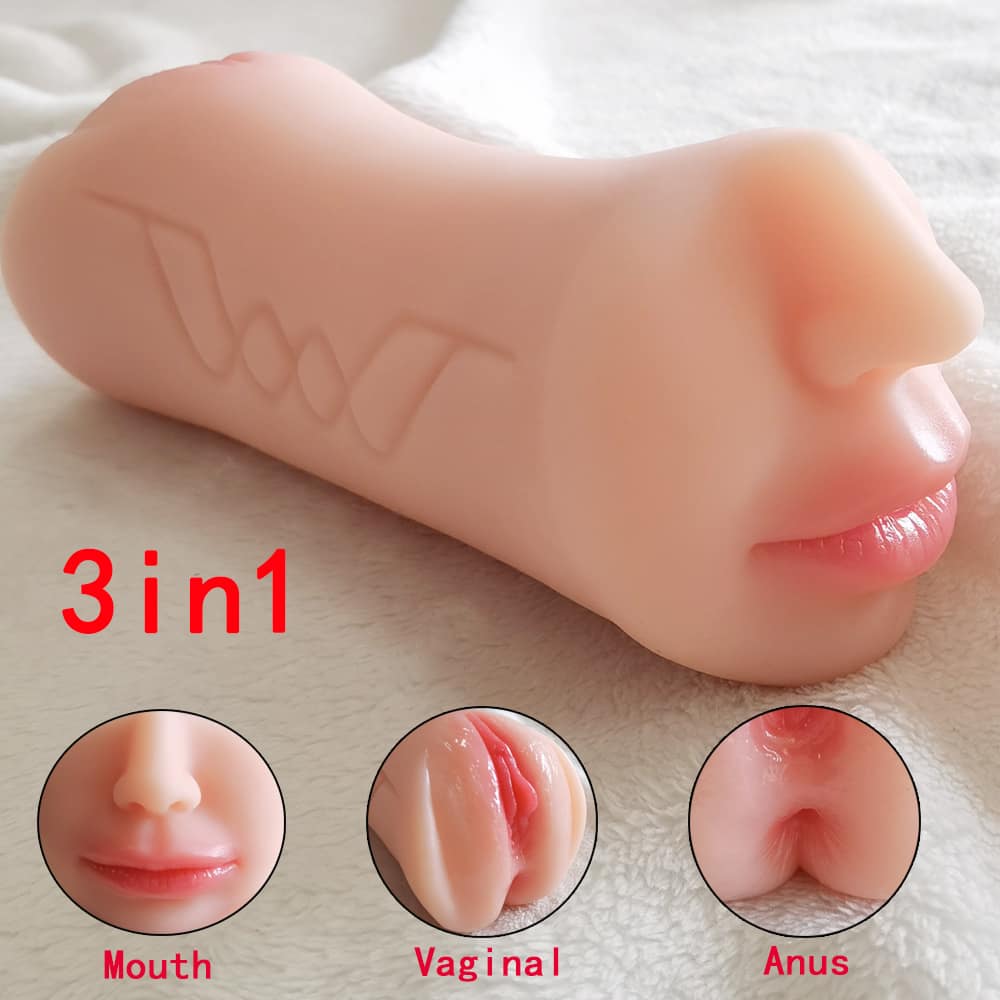
A TPE masturbator with three channels — each one needs flushing and full air-drying after use.
ABS and other hard casings
Hard plastic casings, handles and control bodies should be wiped with a damp cloth rather than soaked. Water getting into a charging port or around a motor housing is the most common way an otherwise fine toy stops working.
Drying is where most damage happens
If you only take one thing from this guide, take this: never store a toy that is still damp. Moisture trapped in a soft material or a closed container is what causes odours, surface breakdown and a generally unpleasant texture. Leave toys out in the open on a clean surface until they are genuinely dry.
Discreet storage that actually works
- Use the box or pouch the toy arrived in — it is designed for the shape and adds a layer of dust protection.
- Choose a cool, dry cupboard shelf rather than a bathroom, where humidity is constantly high.
- Keep toys apart from each other; some materials can react when stored in direct contact.
- Avoid direct sunlight and heat, which soften and warp most materials over time.
What not to do
- Do not boil or put toys in a dishwasher, even if they are listed as waterproof.
- Do not use alcohol wipes, bleach or harsh household cleaners on soft materials.
- Do not use silicone-based lubricant on a silicone toy.
- Do not store toys while they are still damp or inside sealed plastic bags.
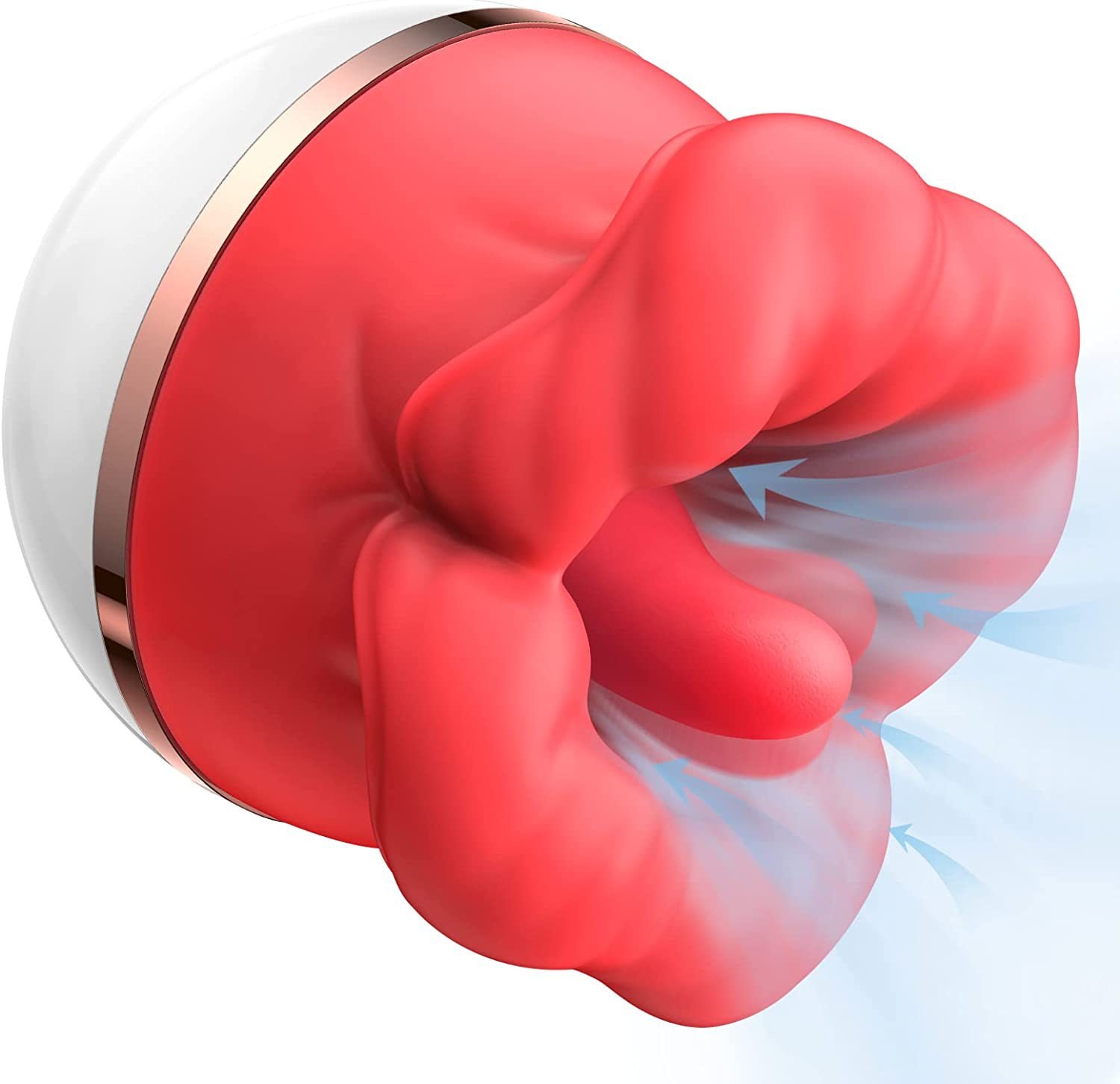
A waterproof silicone design — the easiest type to rinse clean and dry quickly.
More answers on materials, lubricant and discreet delivery.
Read the FAQ